
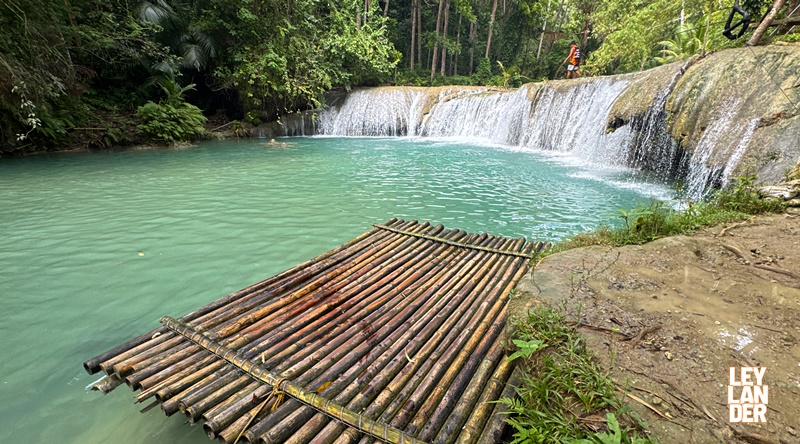
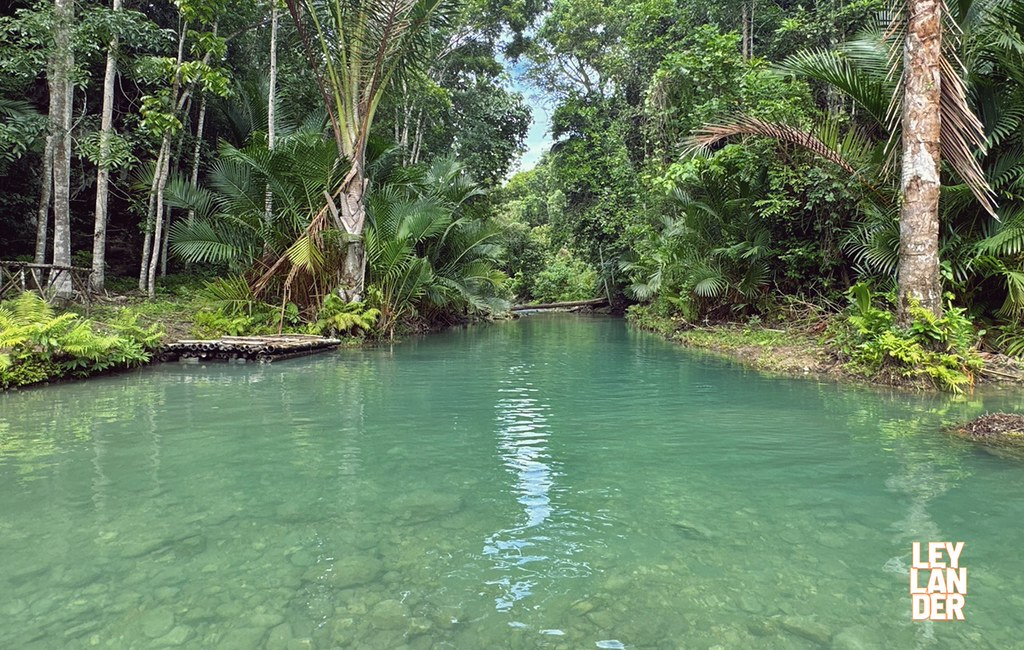
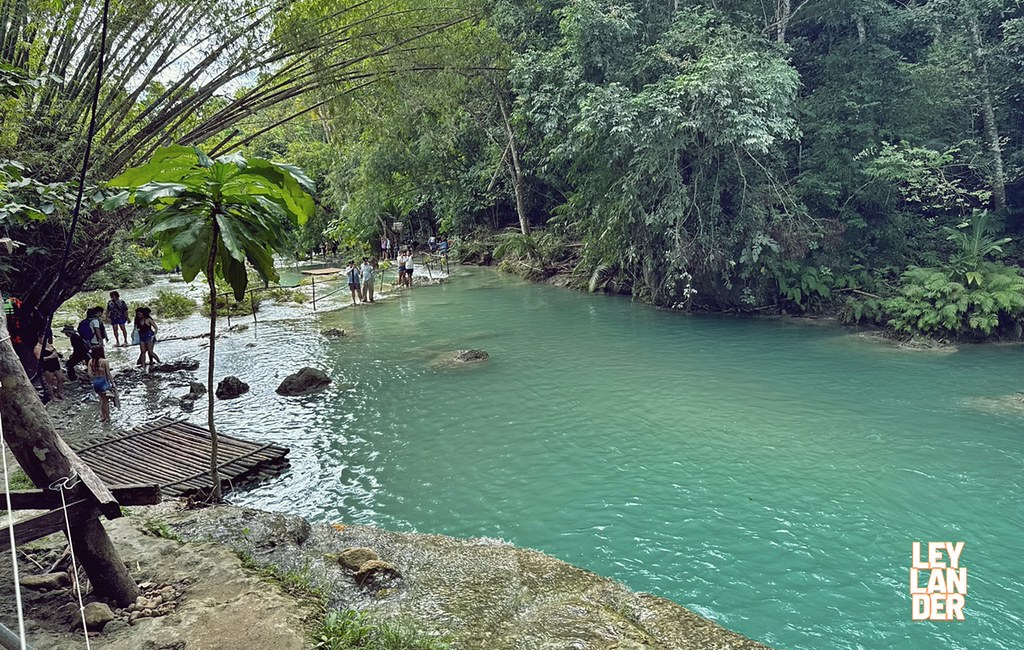
Cambugahay Falls in Siquijor has that same shade of turquoise water you’ll find in Cebu’s very own Kawasan Falls, a color so vivid it almost looks edited. I’m pretty sure you’ve seen countless photos of it and probably suspected filters were at play. But when we finally stood at Cambugahay Falls, I had to pause, take a breath, and let my eyes adjust to the fact that the water really was that striking.
Cambugahay Falls, Finally!
Our visit to Cambugahay Falls was part of a Siquijor press trip made possible by Sunlight Air, which now operates regular flights directly from Cebu to Siquijor. Getting to the island has never been easier, and for content creators and travel bloggers, that means Siquijor is now finally within weekend-trip territory.
We’d already had a full morning by the time we descended the steps to Cambugahay. The day had started with a visit to the St. Francis de Assisi Parish Church, one of the oldest and most striking churches in the Visayas. I swear, if Siquijor has a soul, part of it lives in that building.
From there, we’d made a quick stop at Paliton Beach, Siquijor’s famous spot where you can ask ‘human drones’ to help you with your shots.
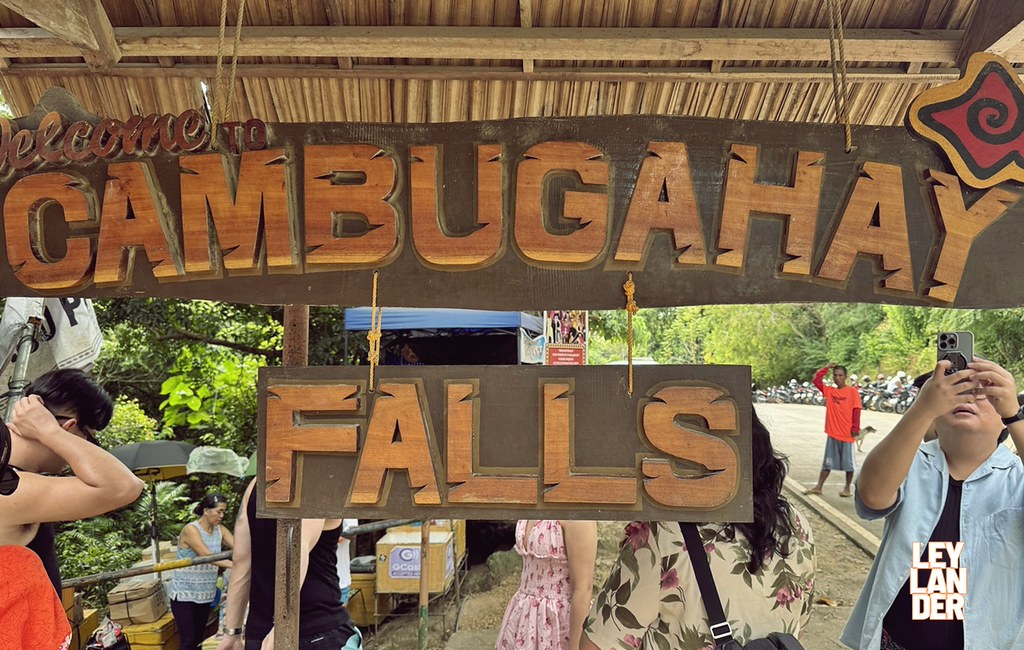
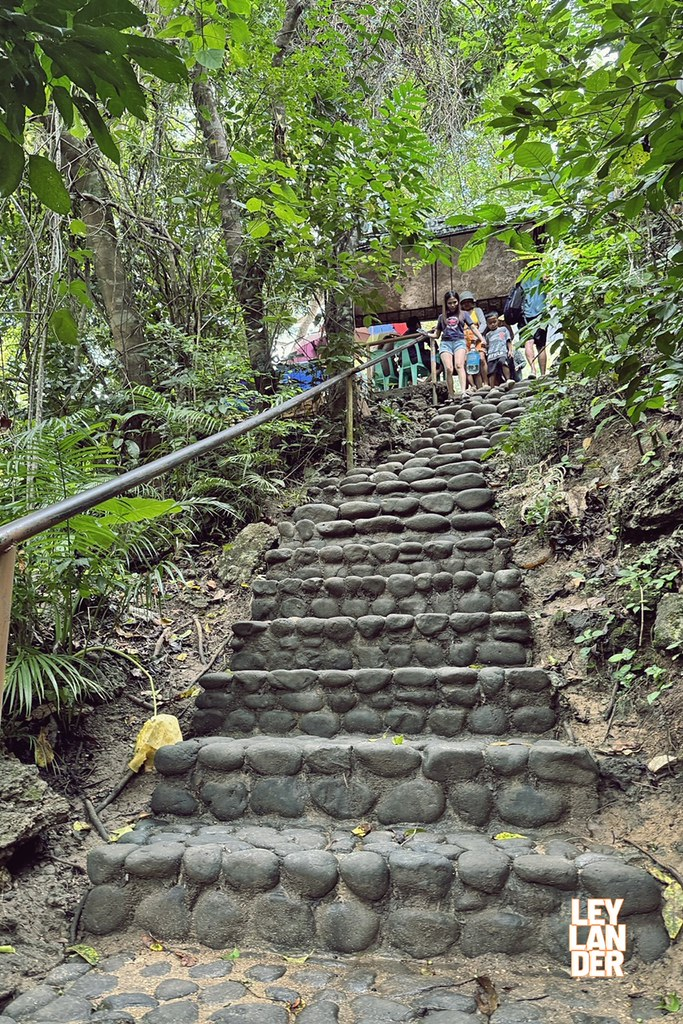
After registering at the visitors’ area, it was finally time to descend the long stairway to the falls.
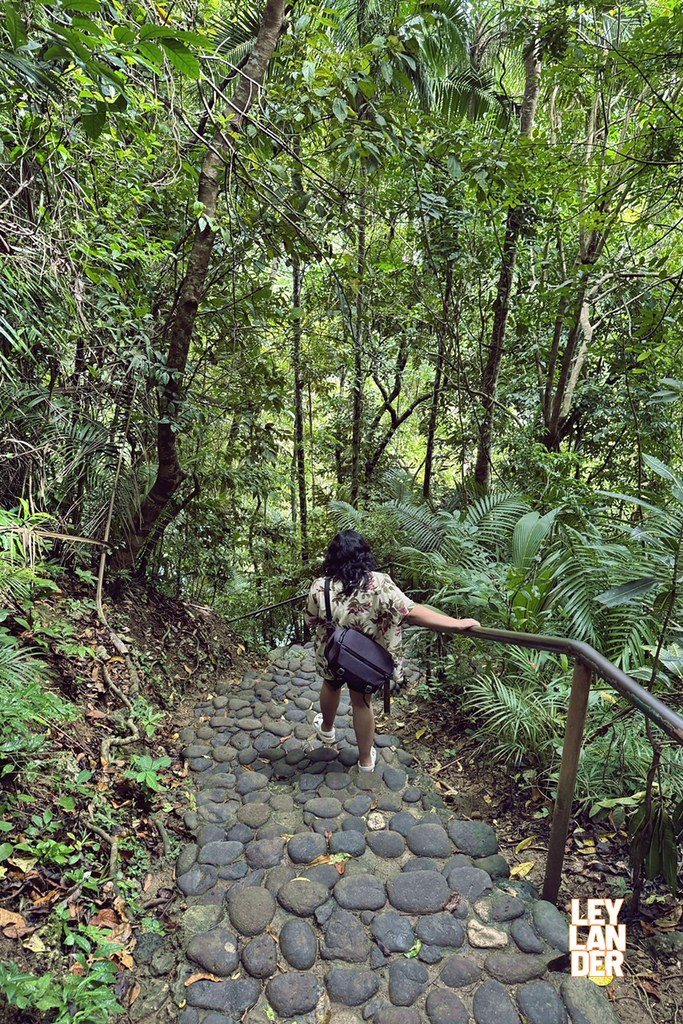
The climb down was easy. But what about the climb back up later on? 😀
The Tiered Drops of Cambugahay
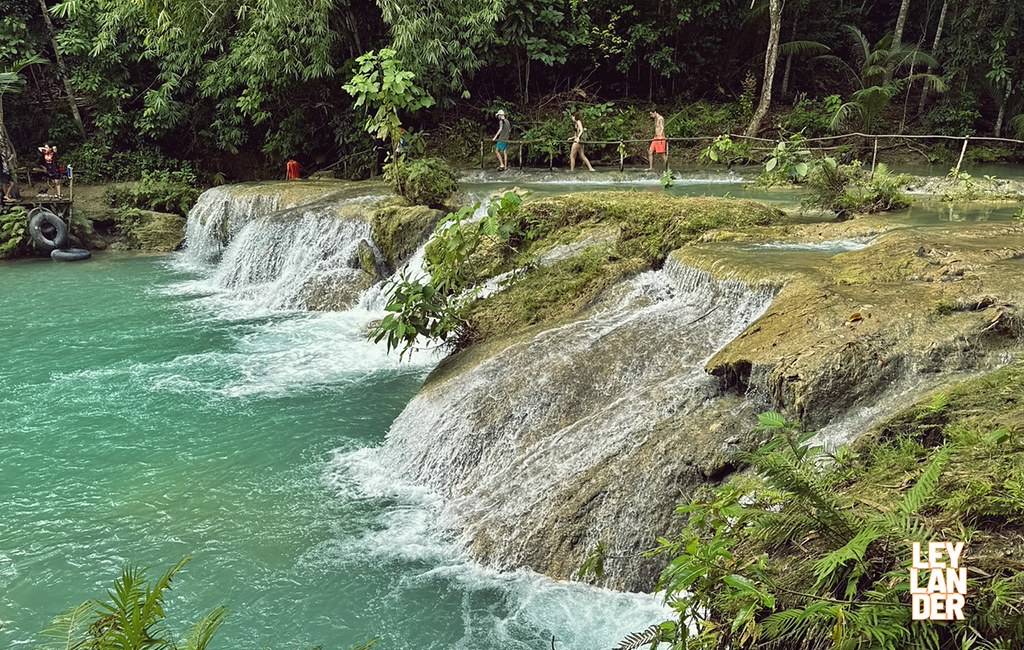
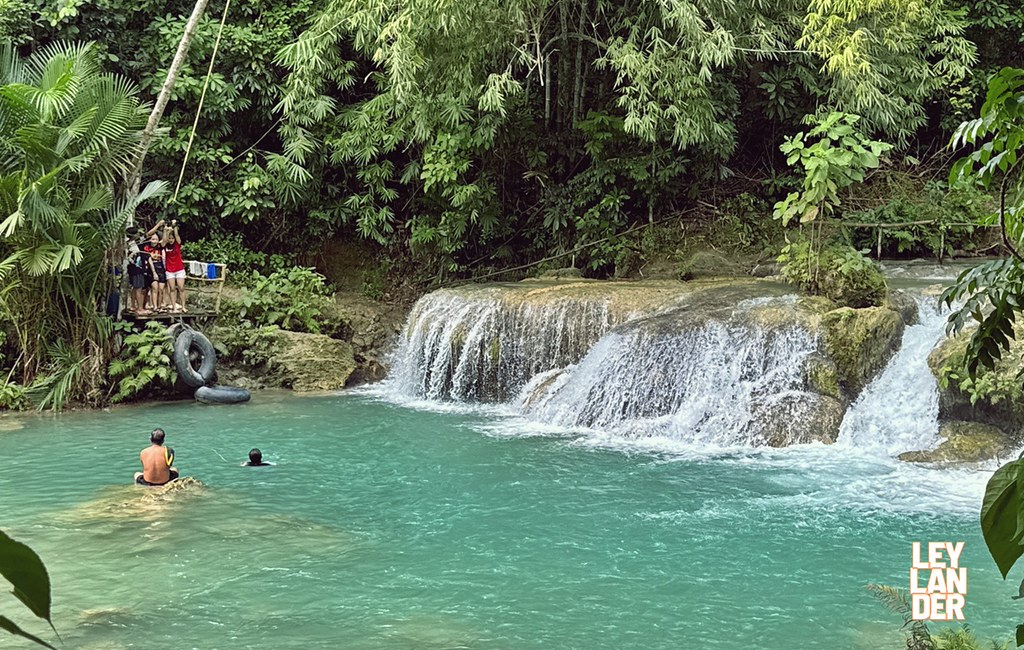
Cambugahay Falls is a tiered waterfall. There are three levels, each with its own pool, personality, and crowd. I believe that the falls are fed by natural springs, which account for the beautiful color.
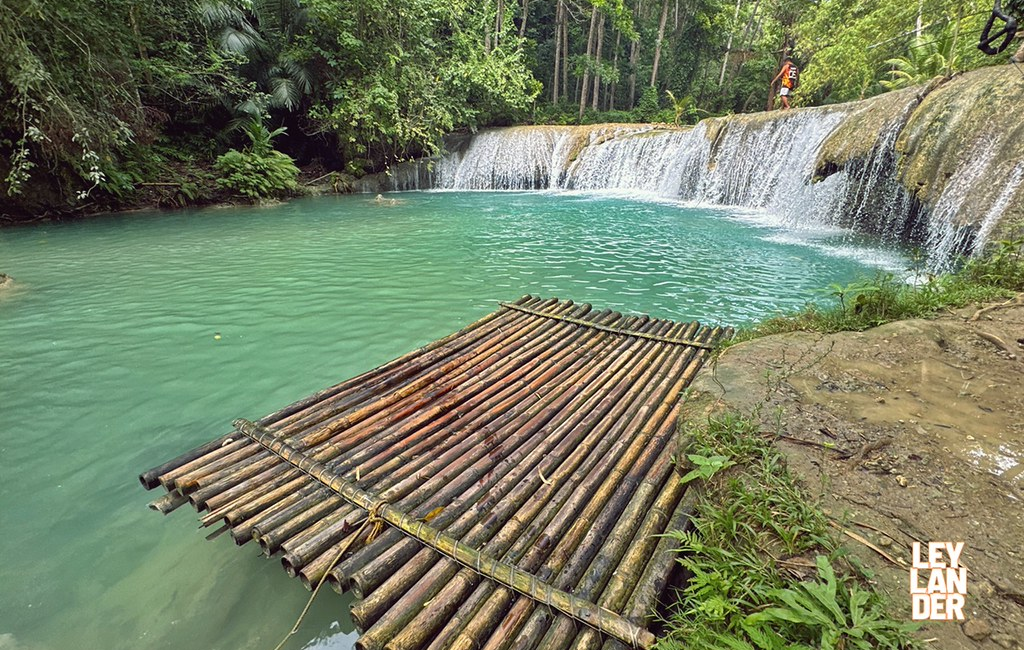
The lowest tier is the liveliest. This is where the rope swing is, where the bamboo rafts bob, and where local kids are doing backflips. You can rent a rope swing for a small fee and swing as many times as you like.
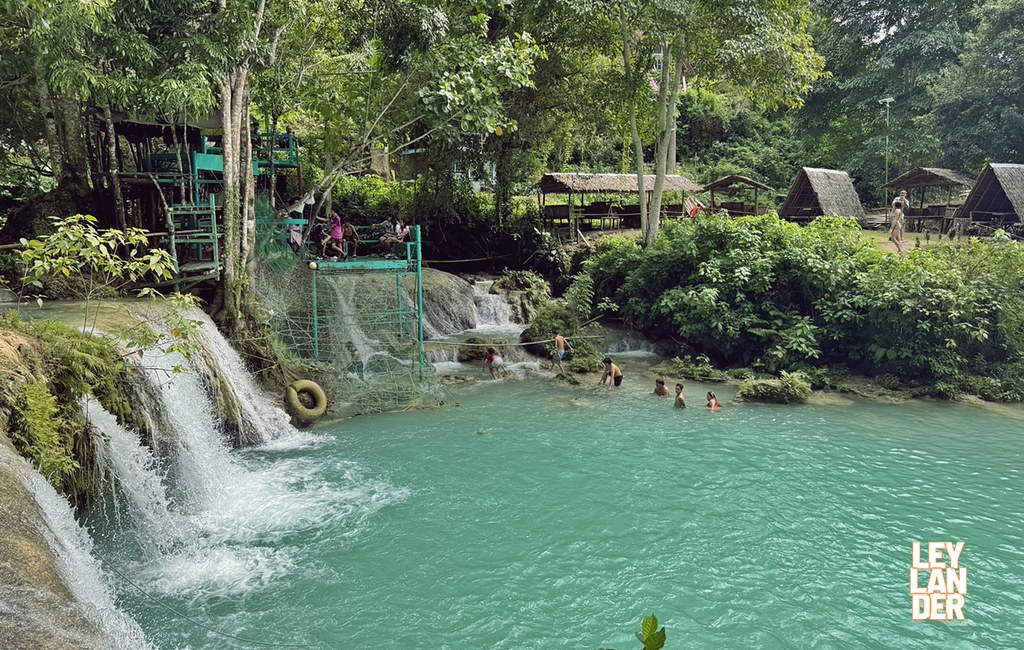
Tourists usually arrive in droves. So, if you’ve got a pretty spot you want to check out, it would be best if you don’t take your time, as things can get pretty hectic with the volume of tourists arriving almost every minute.
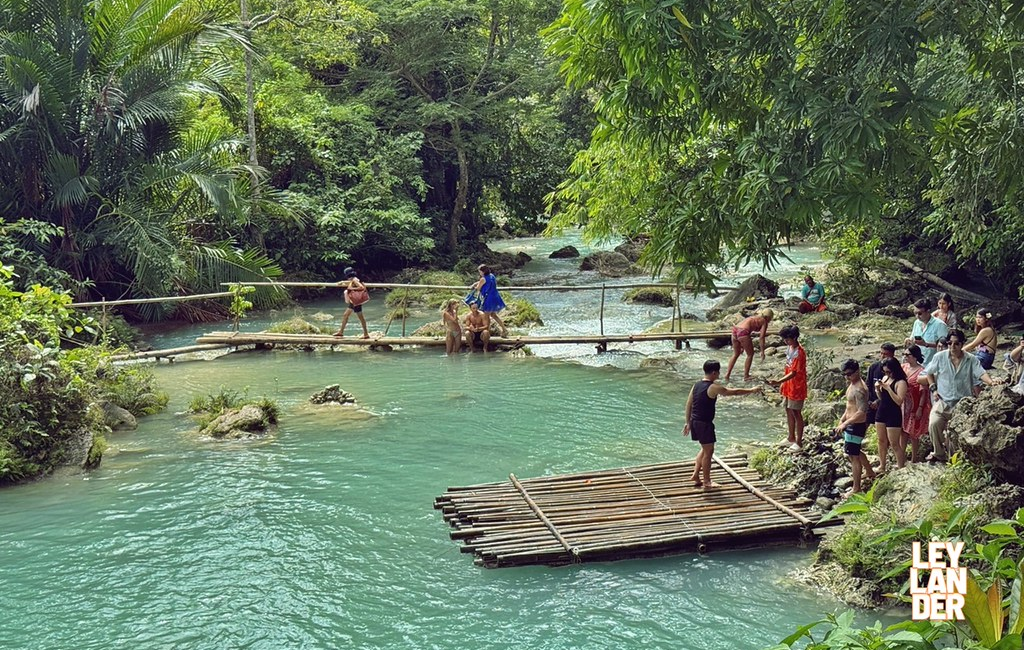
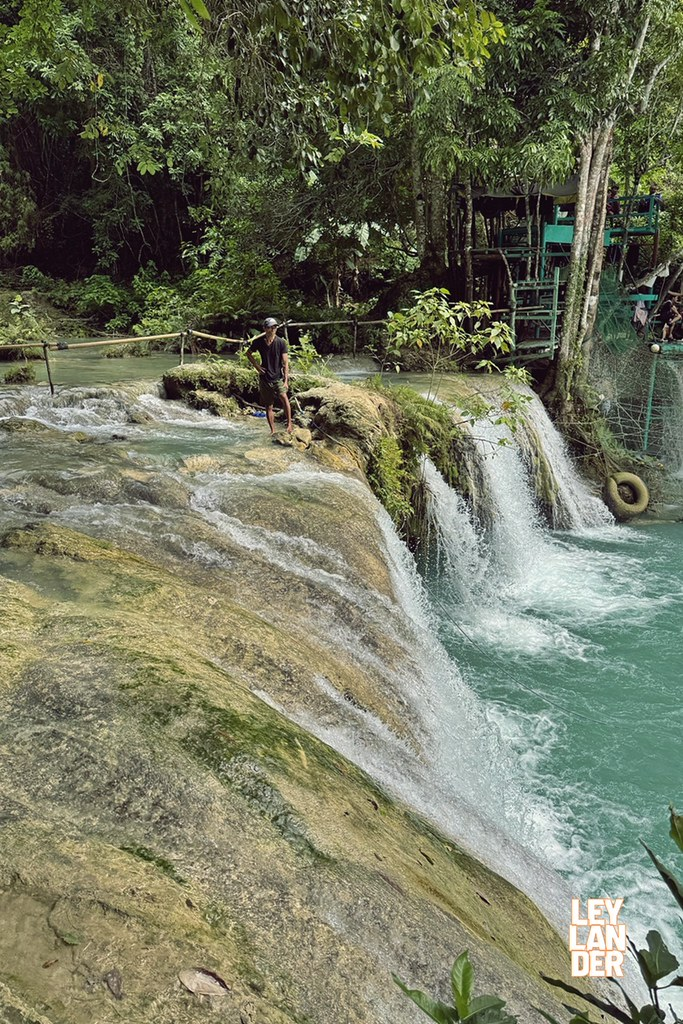
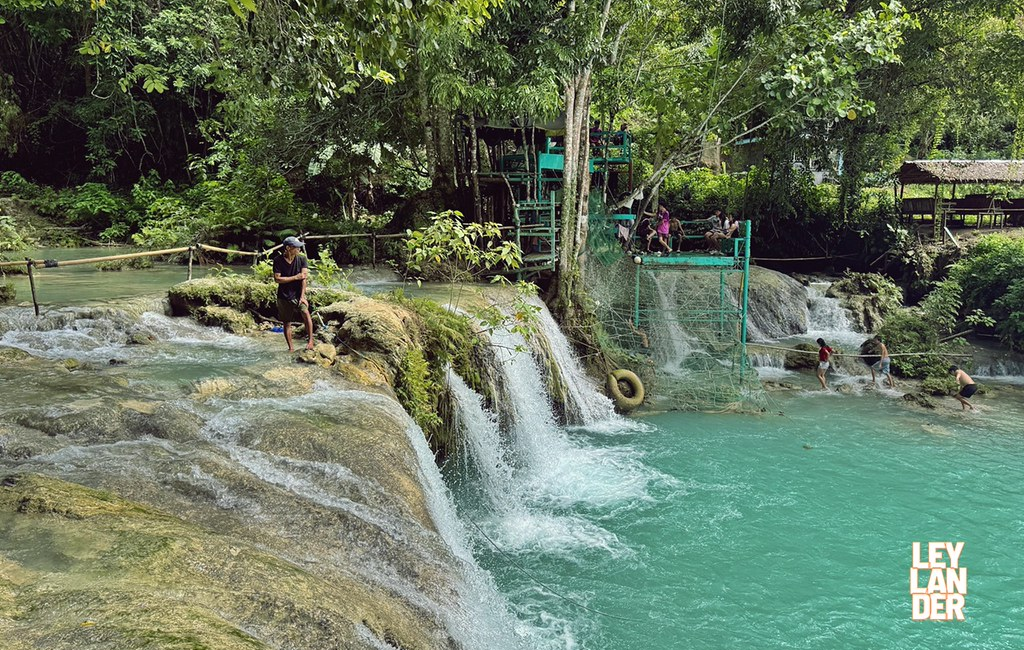
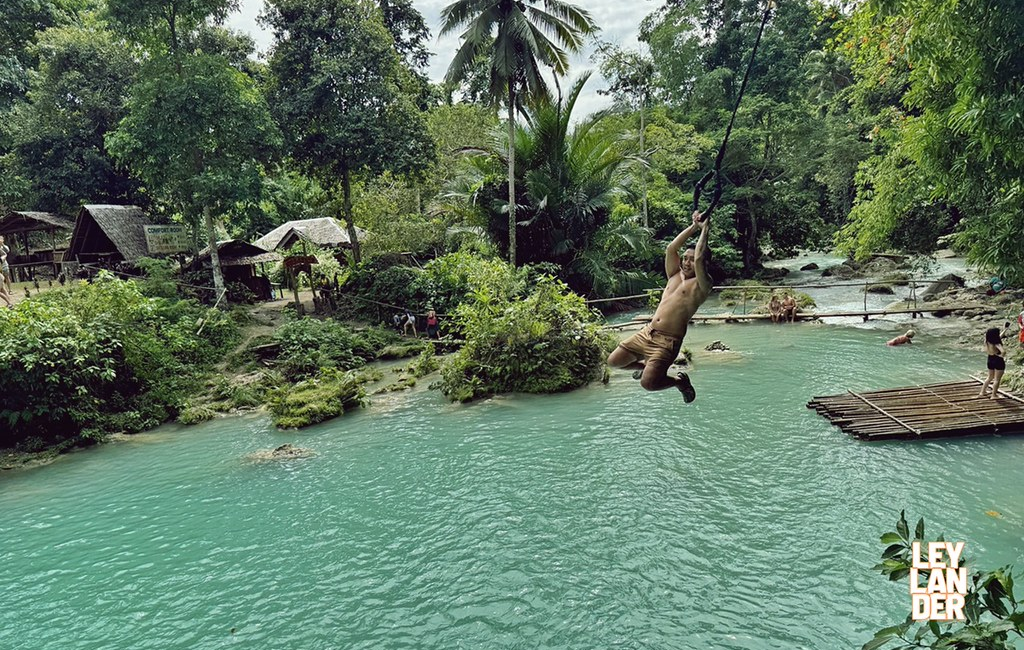
The makeshift platforms you see in various parts of the area allow visitors to do tricky stunts after swinging on a rope.
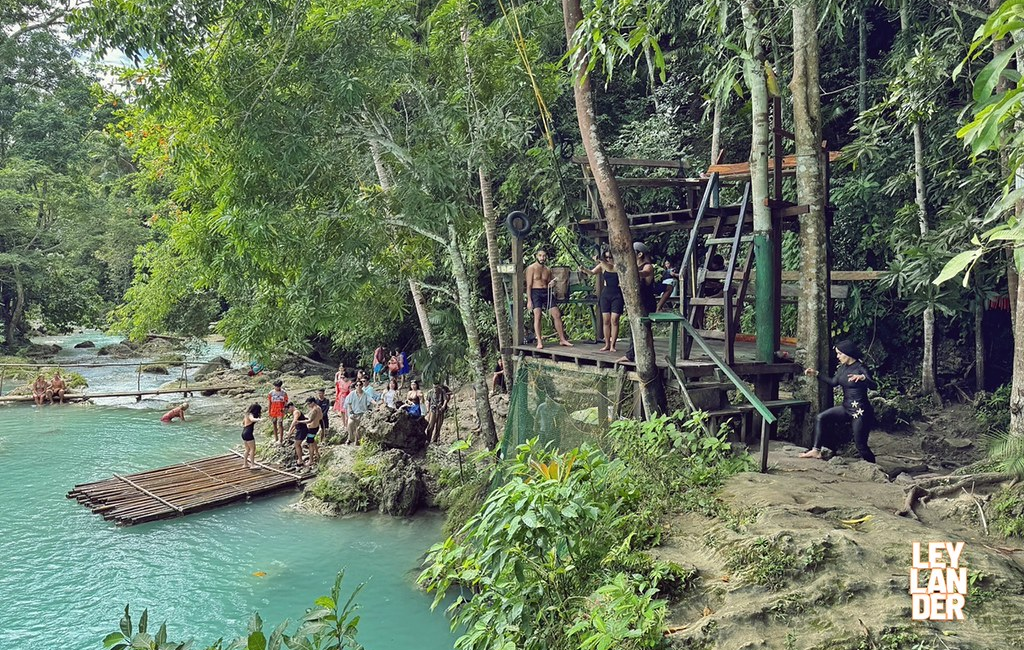
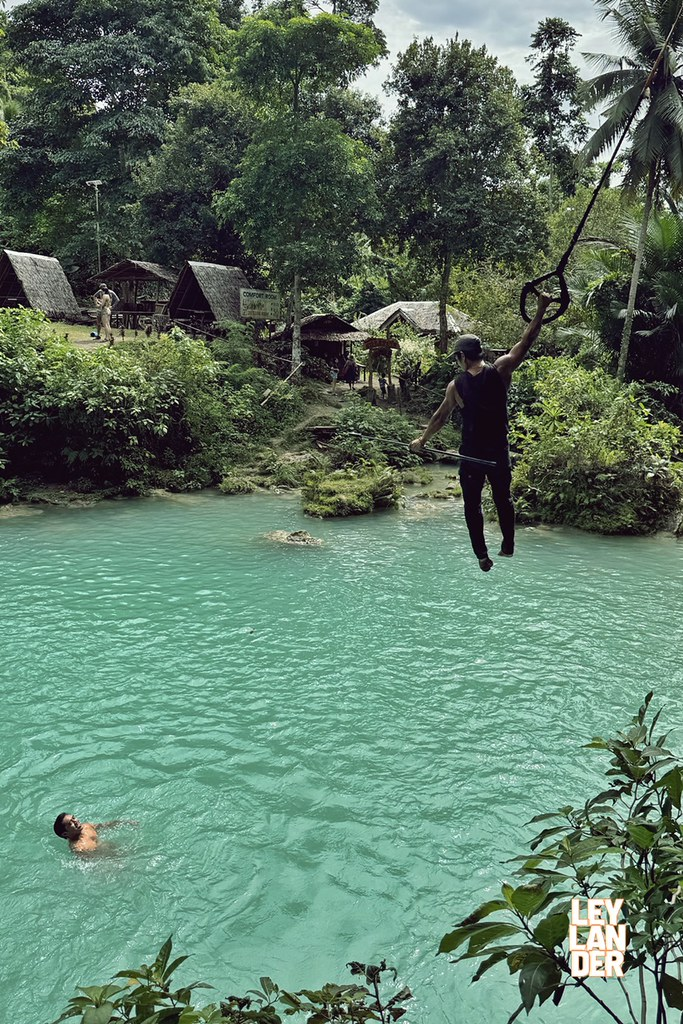
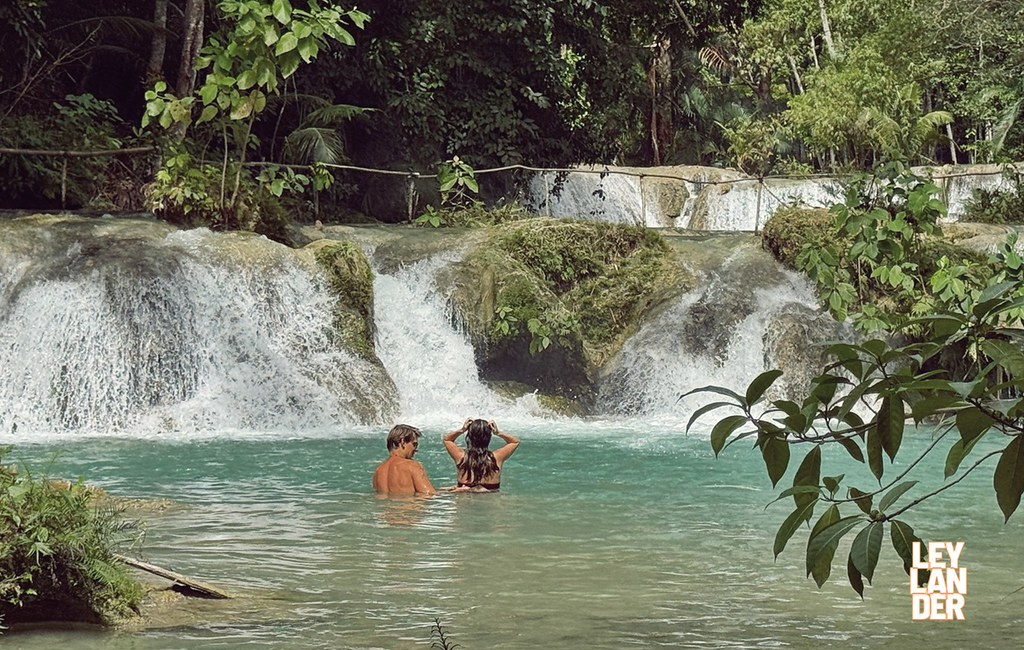
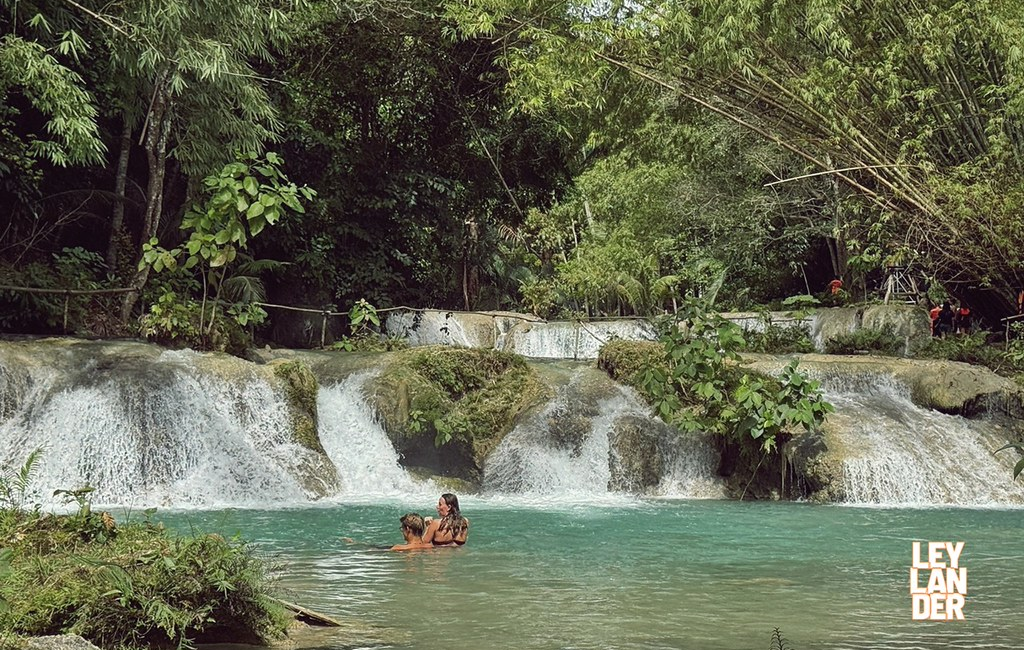
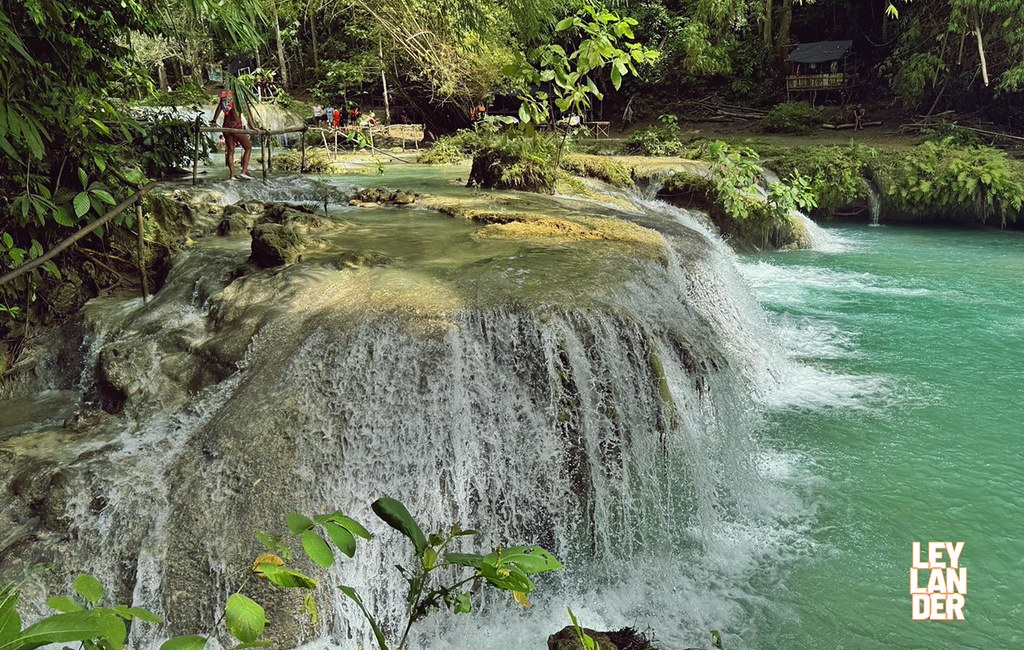
The middle tier is calmer. There, you can do another fun activity, the one known as the “fairy walk” that was made famous by Anne Curtis. What you do is simply hold the rope and walk along the surface of the water as you swing. I know it sounds undignified, but it is actually genuinely delightful.
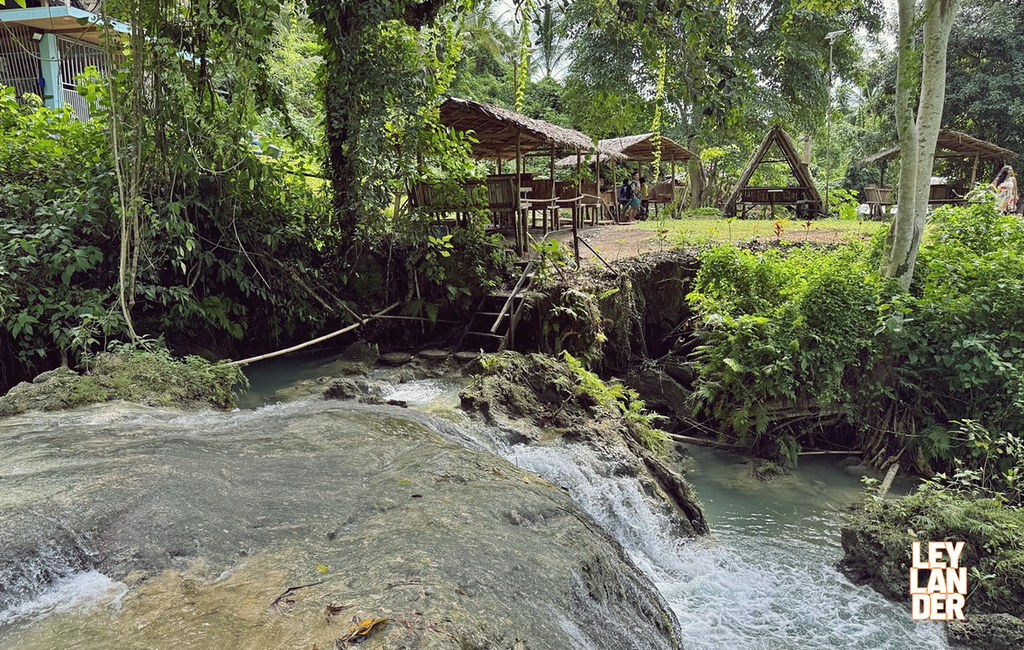
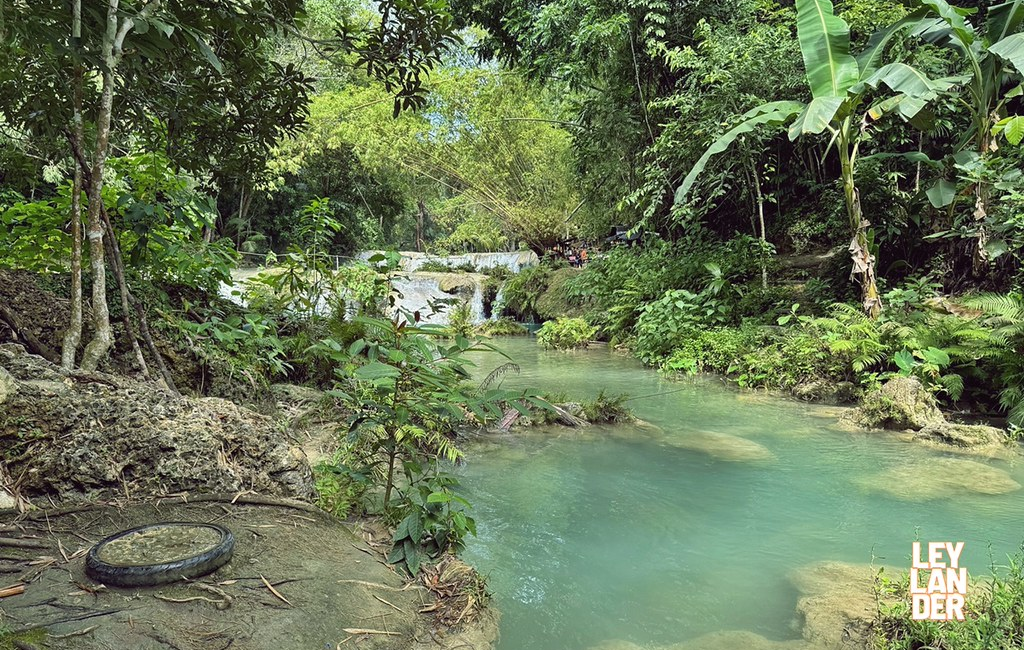
The upper tier is the most peaceful, often quieter and shaded by the canopy overhead. If you want a moment of silence with a waterfall, you might want to check it out. Although I’m not sure how exactly you can get there, I’m pretty sure some locals can point you in the right direction.
Taking it All In
Most of the guys from our team spent the better part of an hour rotating between tiers, taking many photos, and trying to look casual on bamboo rafts (which I must say is actually harder than it looks). I spent most of my time, however, in the middle tier, where most visitors are just casually chilling in the water and enjoying their moment.
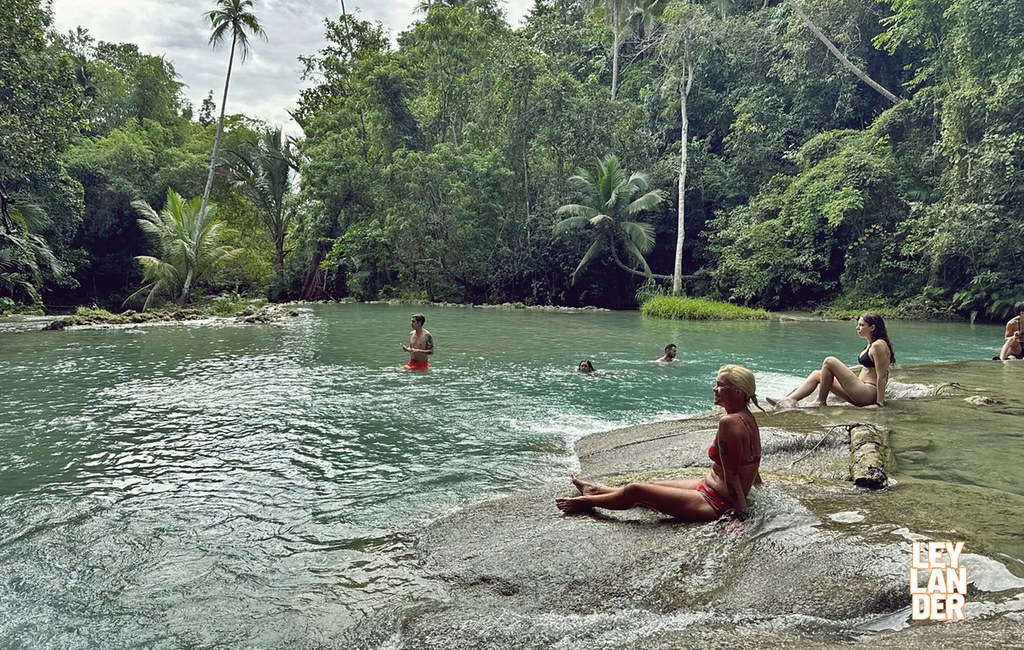
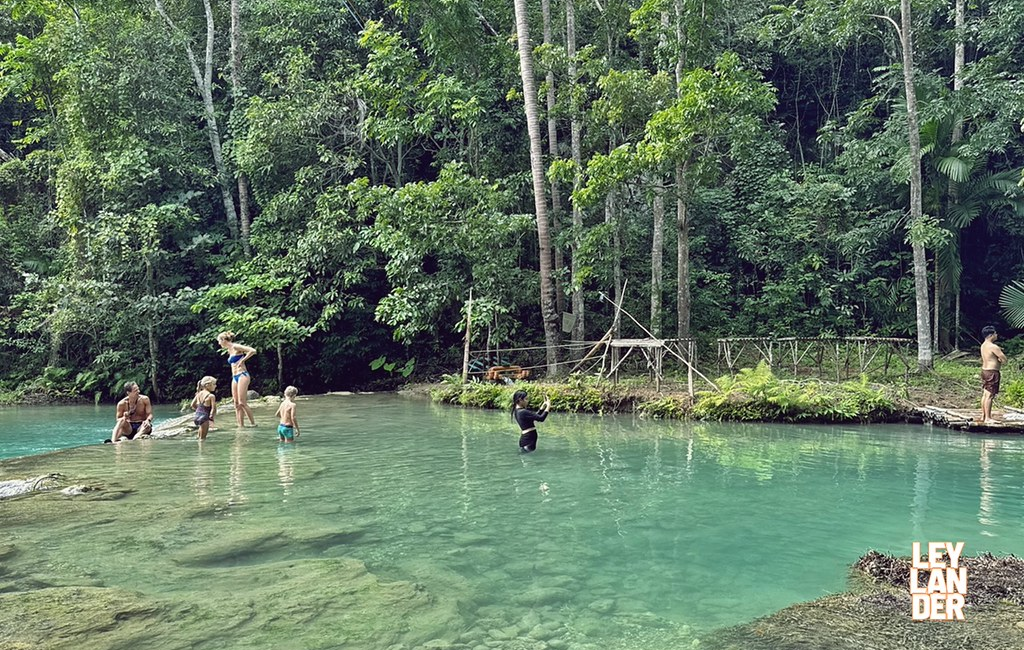
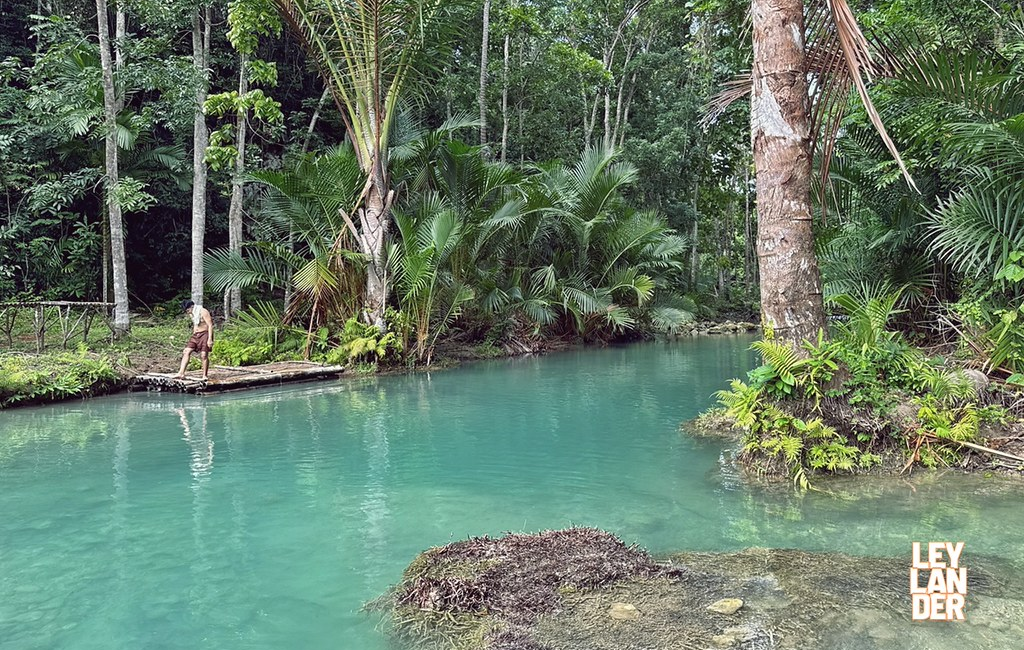
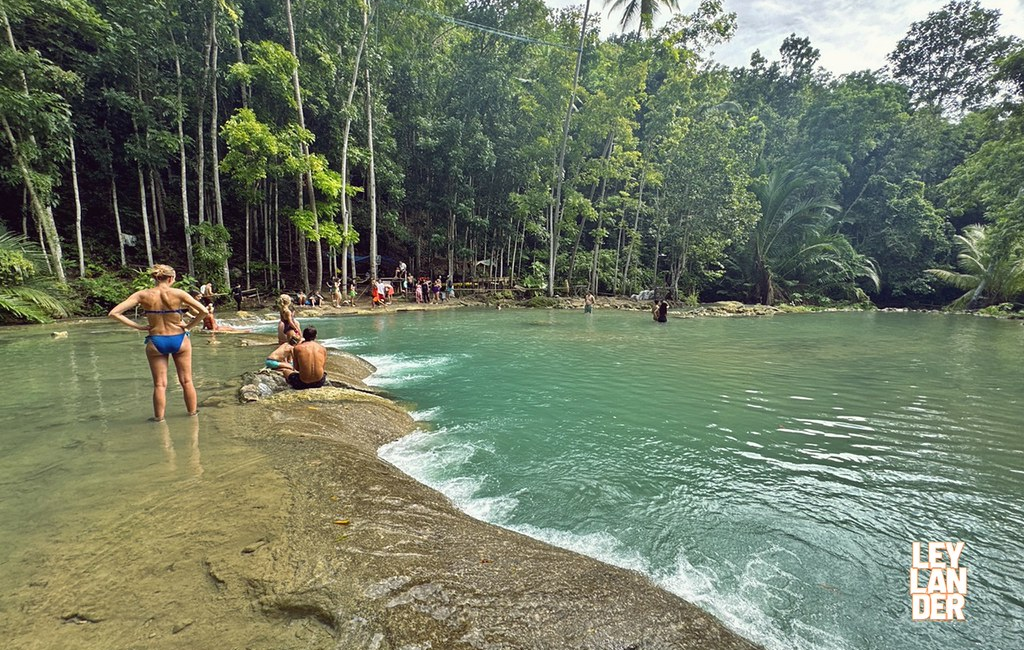
There were quite a number of visitors during our visit. And I learned that if you want the falls with fewer people, you should aim to arrive right at opening (7 AM) or go on a weekday. By mid-morning on weekends, the lowest tier fills up quickly.
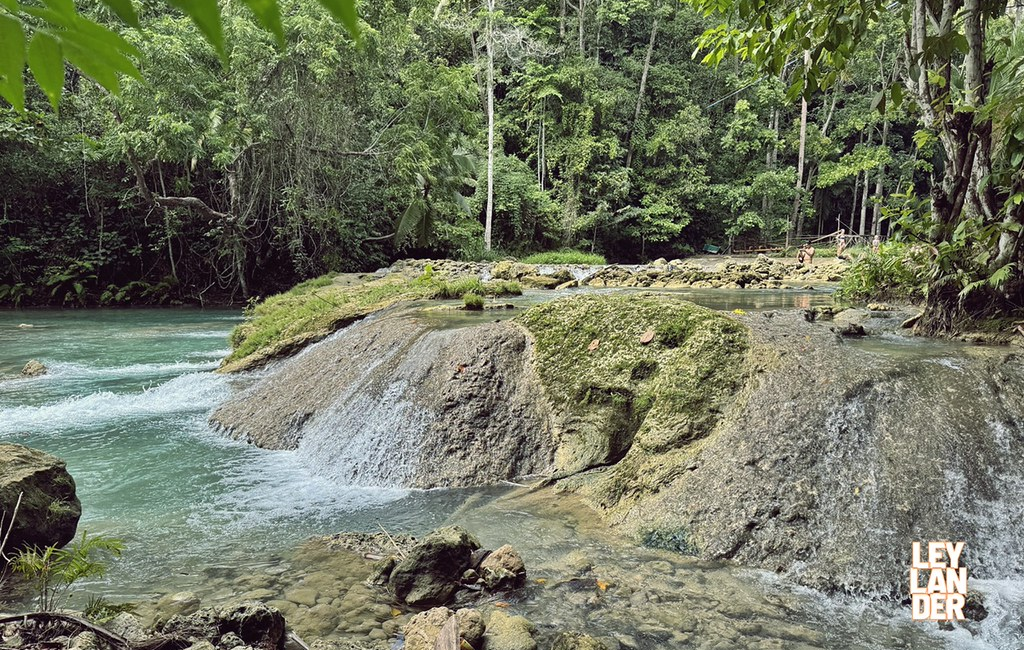
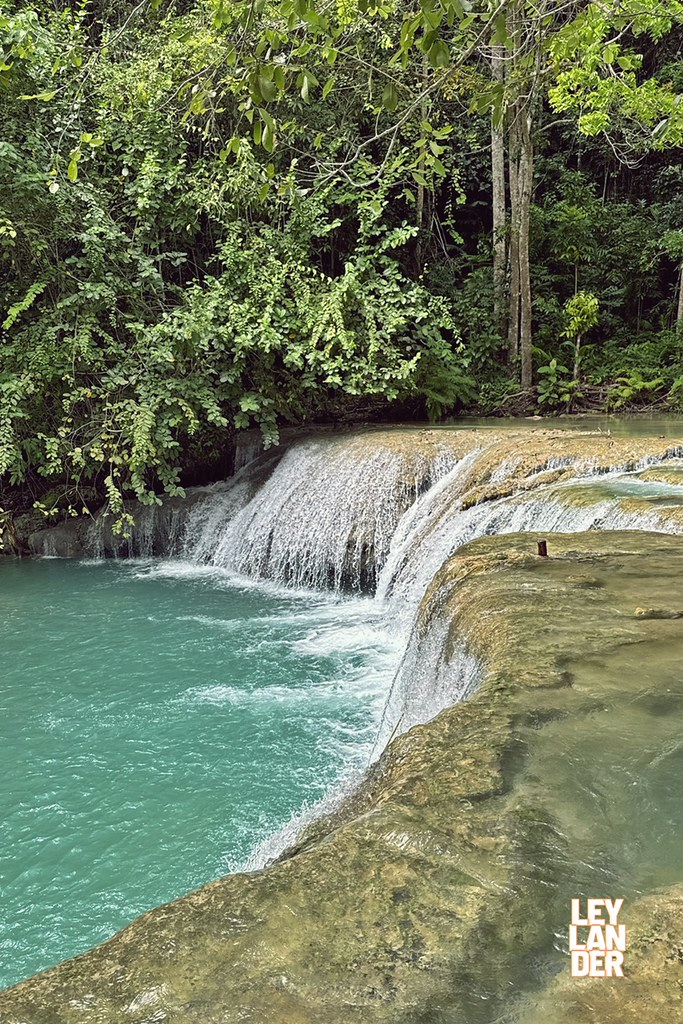
As we left Cambugahay Falls, I couldn’t help but smile at how the place had lived up to the hype. The beautiful pools, the laughter from the rope swings, even the quiet corners where you could just sit and listen to the water all felt like a reminder of why I love chasing waterfalls in the first place. It’s easy to compare Cambugahay to Kawasan back home in Cebu, but it has its own rhythm, its own soul. And for me, that afternoon wasn’t just about ticking off another spot on the itinerary. It was about feeling grateful for the chance to be there, for the people I shared it with, and for the stories I get to bring back home.
After we made it back to the top of the stairs, we grabbed some roadside ice cream from the vendors by the entrance and got back on the road toward our next stop: the Enchanted Balete Tree, one of Siquijor’s most iconic landmarks. More on that in the next post.
LEY
One thought on “Falling for Cambugahay Falls”